 ceresia
CERESIA VISION
How Ceres Works
Ceres replaces manual visual grading with consistent, objective image analysis. Using computer vision, it identifies regions in an image and helps assess product quality to support decisions at intake and when separating batches.
From image to decision
- Capture. Cameras take images of the product at the analysis point.
- Analysis. Ceres segments the image into regions and assesses visible features such as condition, defects or unwanted material, depending on the product and application.
- Results. The team reviews the indicators to assess the sample and support decisions.
Ceres is available for grapes, olives, tomatoes and pistachios. The features analysed depend on the product and configuration.
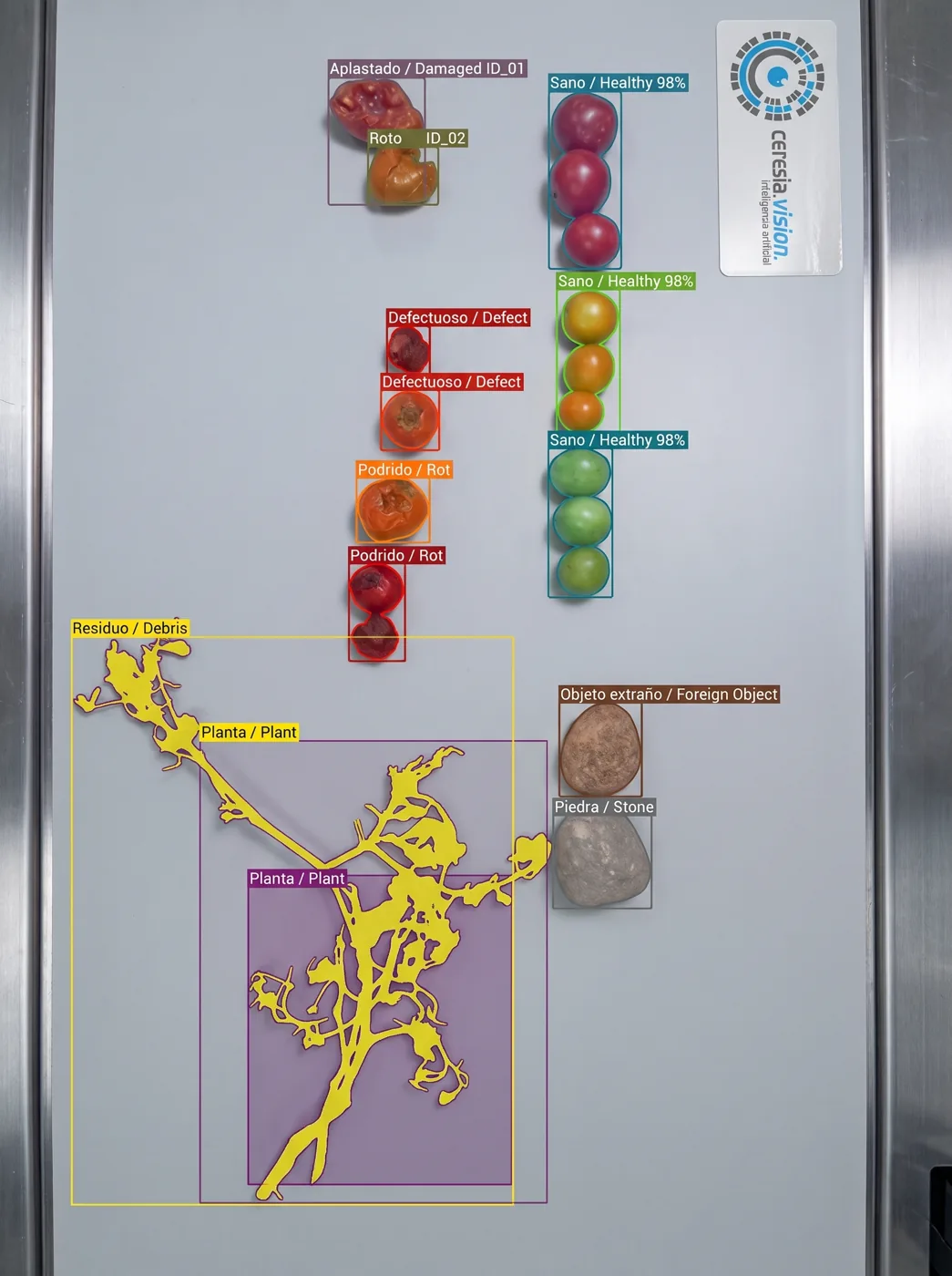
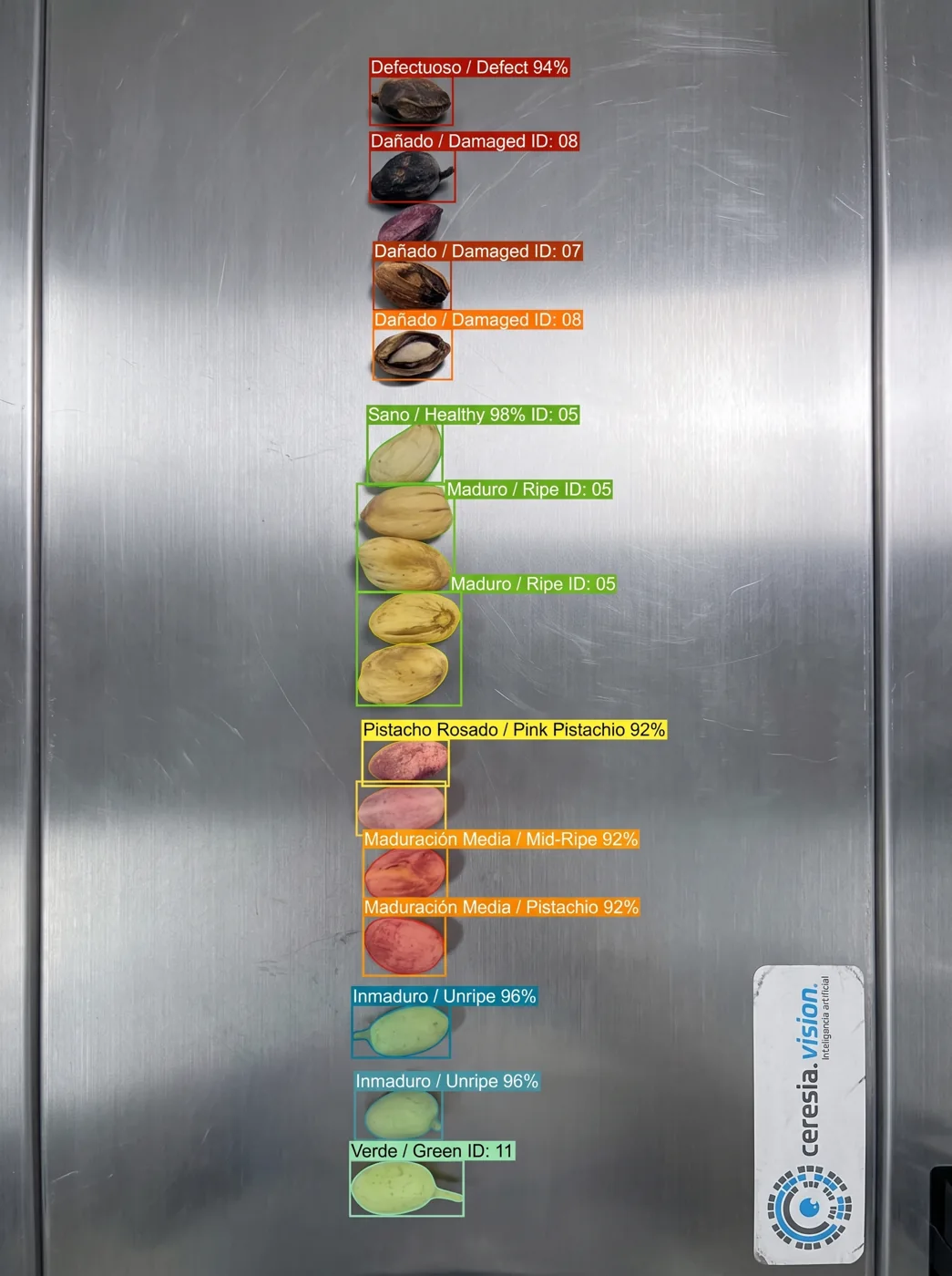
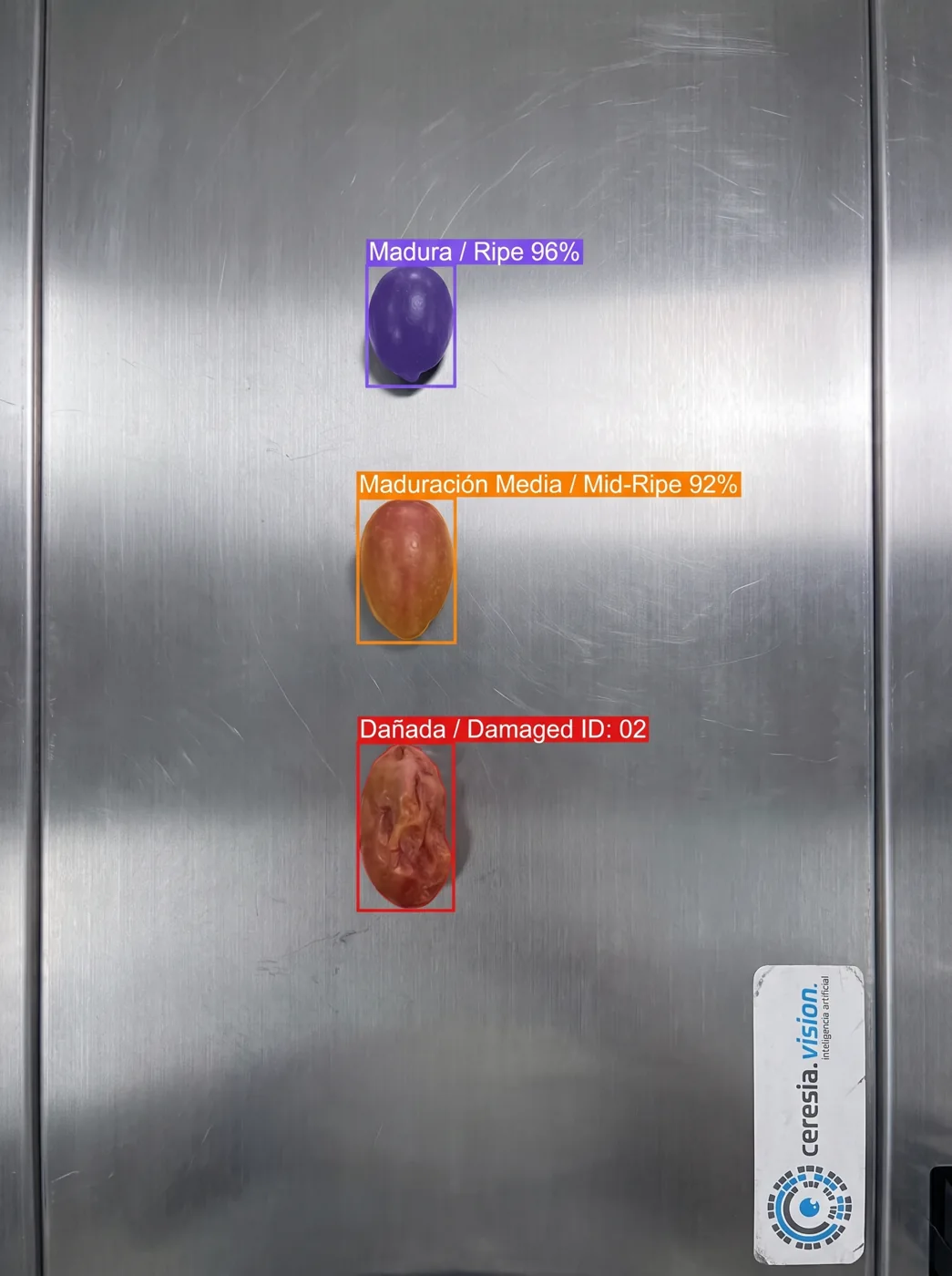
01 / 03
One system, different configurations
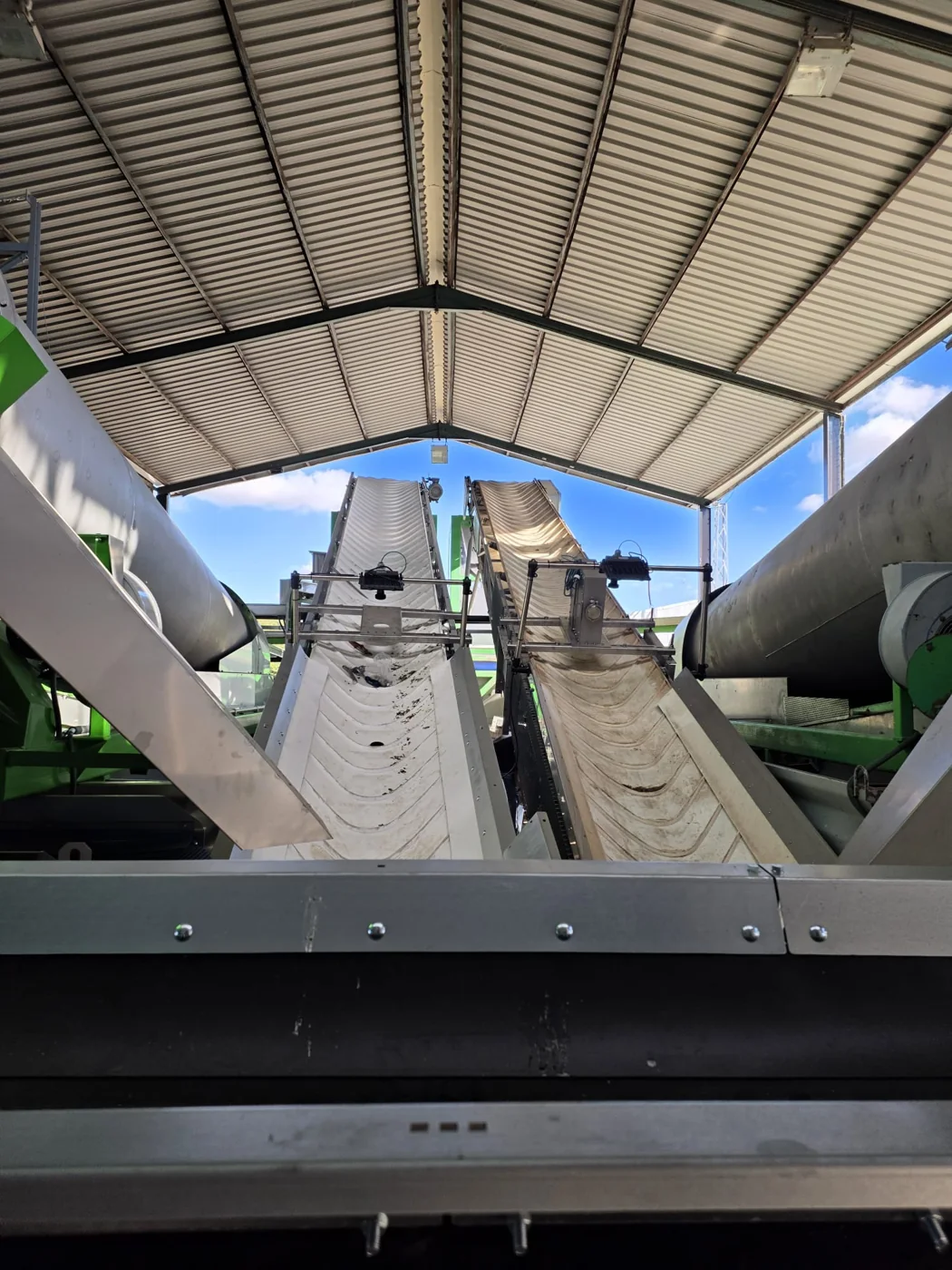
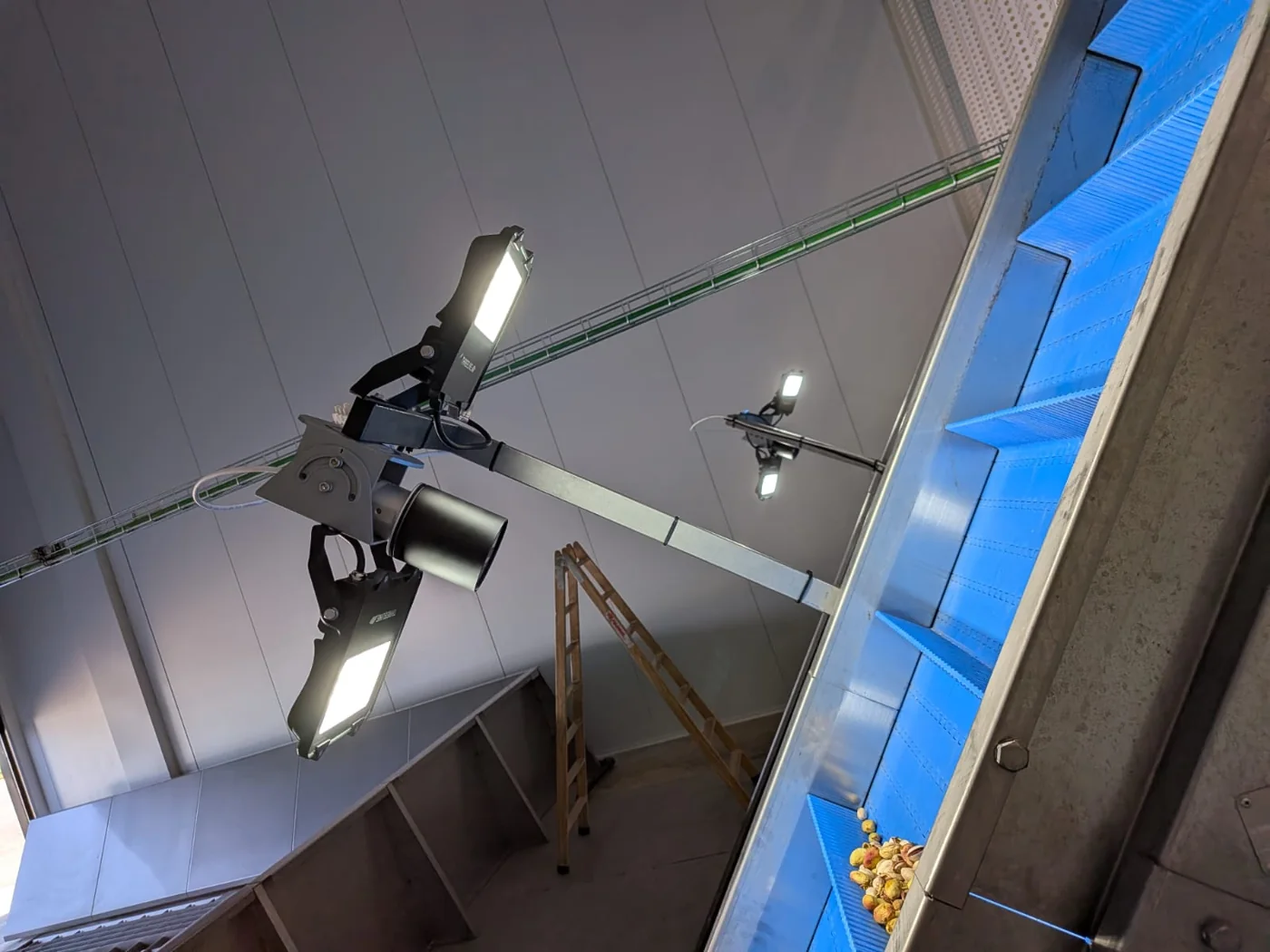
The basic solution combines a central station and a fixed camera to analyse samples at a control point. Additional cameras can be added to suit the installation:
- Hopper cameras, operated by tablet from the work area.
- Continuous conveyor cameras, analysing the product as it passes along the belt.
Connected results
Review the history, export results or integrate Ceres with other systems through the API .
Want to find the right configuration for your site? Let’s talk .
A different view of quality.Let’s talk ↗